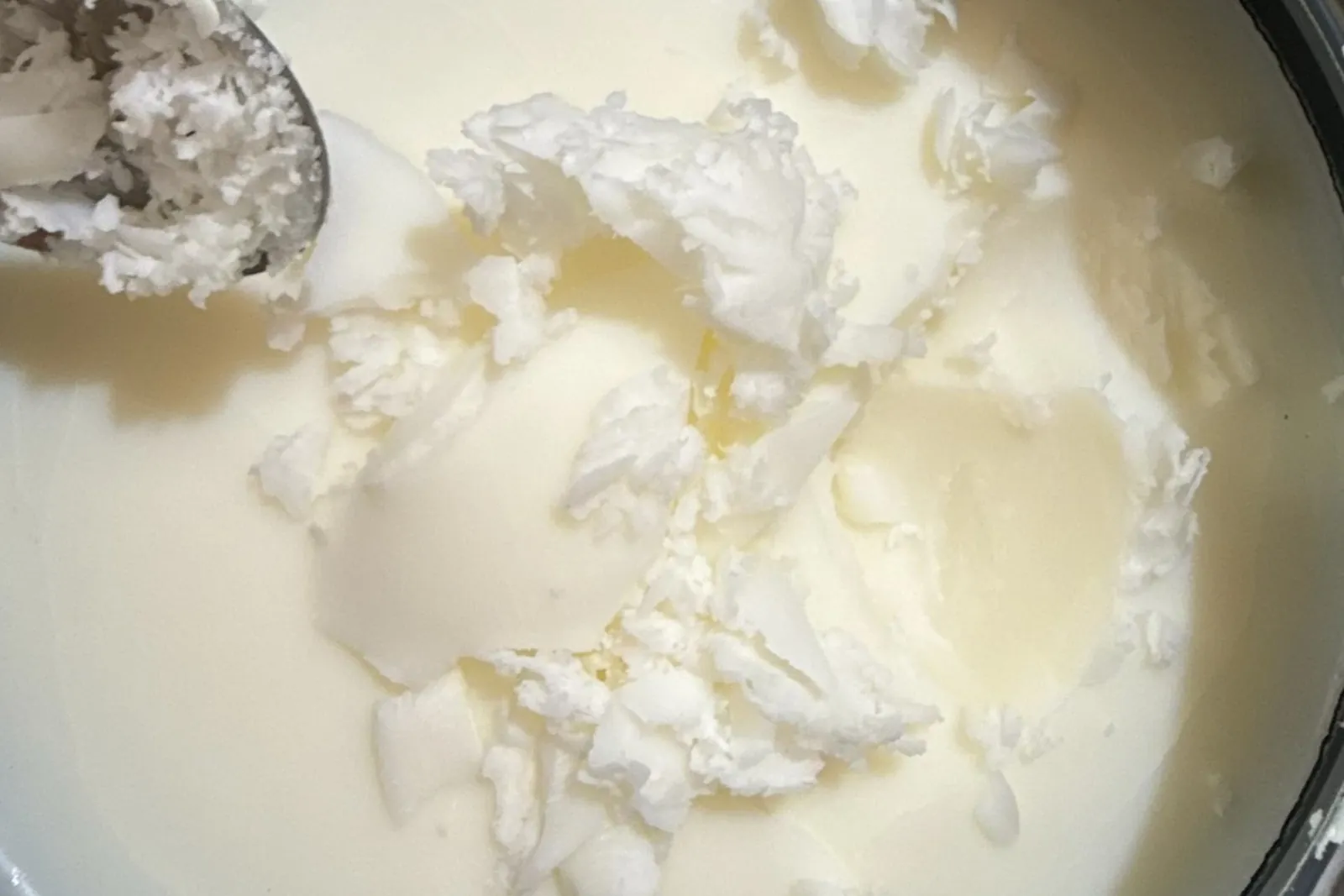
Tallow is increasingly selected by independent cosmetic formulators for skincare and balm applications. This piece covers what practitioners are finding, what to look for in a tallow supplier, and what questions to ask before sourcing.
Independent formulators working in natural skincare are putting tallow on their benches. Specifically beef fat from pasture-raised cattle, showing up in product lines that wouldn't have touched it a few years ago. Formulators who've built their whole practice around plant-derived emollients are taking a second look at an ingredient older than the cosmetic industry itself.
This isn't a trend chasing novelty. It's formulators following performance. The chemistry holds up whether you're a professional formulator, a brand owner, or building products independently.
The Fatty Acid Case
Tallow gets serious attention for one reason: structural chemistry. The fatty acid composition of beef tallow, particularly from pasture-raised animals, closely mirrors the lipid composition of human skin.
Human sebum is composed primarily of triglycerides, wax esters, squalene, and free fatty acids. The free fatty acid fraction includes significant concentrations of oleic acid (C18:1), palmitic acid (C16:0), and stearic acid (C18:0). Those are the dominant fatty acids in beef tallow. The structural similarity isn't coincidence. It reflects the long shared relationship between humans and cattle, and it has direct implications for formulation.
Practitioners report it absorbs readily without the heavy surface feel of denser plant oils. The fatty acid profile is the reason: it tracks closely with what the skin is already doing. We see it from the production side too. Suet handled well and rendered carefully comes out of the filter with a consistency formulators can actually plan around.
What Formulators Need From a Fat Base
Balms, deodorants, whipped body products, facial creams: each format has specific requirements for the fat ingredient. Tallow earns its spot for a few concrete reasons.
Texture and structure. Tallow from quality suet is firm and waxy at room temperature, firmer than most plant butters. That quality comes from the crystallization of saturated fats and it's functionally useful. Stick deodorants hold shape. Whipped formulas stay stable. Formulators who've worked with tallow note the behavior is distinct from shea butter and coconut oil (the two most common comparisons) and that distinct behavior is the point.
Oxidative stability. Rosehip, marula, sea buckthorn: these polyunsaturated plant oils bring interesting fatty acid profiles and limited shelf lives. Rancidity is a real formulation problem. Tallow, high in saturated and monounsaturated fats, is significantly more oxidatively stable. For any commercial formula where shelf life matters, that's a practical advantage worth building around.
Ingredient transparency. The clean beauty market wants to know what's in the jar. Tallow sourced properly from pasture-raised cattle is as transparent as a fat ingredient gets: traceable, single-origin, rendered and filtered, no chemical modification.
Deodorants: A Particularly Good Application
Natural deodorant has a specific problem: performance without antiperspirant chemistry, in a format consumers will actually use. Most baking soda-based or arrowroot-based formulas use coconut oil and shea butter as the fat base. They work. But coconut oil draws comedogenic concerns from some users, and shea butter softens at lower temperatures than you'd want for a stick product.
Tallow's firmer melt point and more stable crystal structure address both of those issues. Deodorant formulas built on tallow hold their shape across a wider temperature range and apply differently, cleaner, less drag. There's also the compatibility argument: a fat structurally similar to sebum may be less likely to cause follicle irritation than a plant oil. That's part of why tallow deodorants have developed a following among practitioners and their customers.
What to Look for in a Supplier
Not all tallow sold as "cosmetic grade" is produced the same way. If you're sourcing for formulation, here's what to ask.
Source quality. Pasture-raised suet from cattle that have spent their lives on grass produces a meaningfully different fat than feedlot suet. Fatty acid ratios, CLA content, and fat-soluble vitamin concentrations are documented as higher in pasture-raised animals. Ask your supplier where the suet comes from. A real answer should take about one sentence.
Rendering method. How tallow is rendered affects the finished product. More important than the method itself: can the supplier tell you how they render? If they can’t answer that plainly, that’s a problem.
Batch consistency. Commercial formulation requires consistent raw material. Tallow that varies batch to batch creates problems no formulator wants. Ask about process consistency and whether samples from different batches are available for comparison.
No chemical processing. Some tallow is bleached or chemically deodorized to produce a cosmetically neutral product. That processing introduces additives that don't belong in a clean ingredient and can alter the fatty acid profile. Ask directly whether any bleaching or chemical deodorizing agents are used. The answer should be no.
Tallow is growing in skincare because it performs. The learning curve for formulators willing to work with a fat that behaves differently from plant oils is short. What they find on the other side is a stable, skin-compatible ingredient that earns its place in the formula.
Ask any supplier you're evaluating the questions above. If they can't answer plainly, that's your answer.
Sourcing Formulation-Grade Tallow
Ranch Hand Rendering formulation-grade tallow, wet rendered from selected Texas suet, consistent process, sample inquiries welcome.