Where It Started
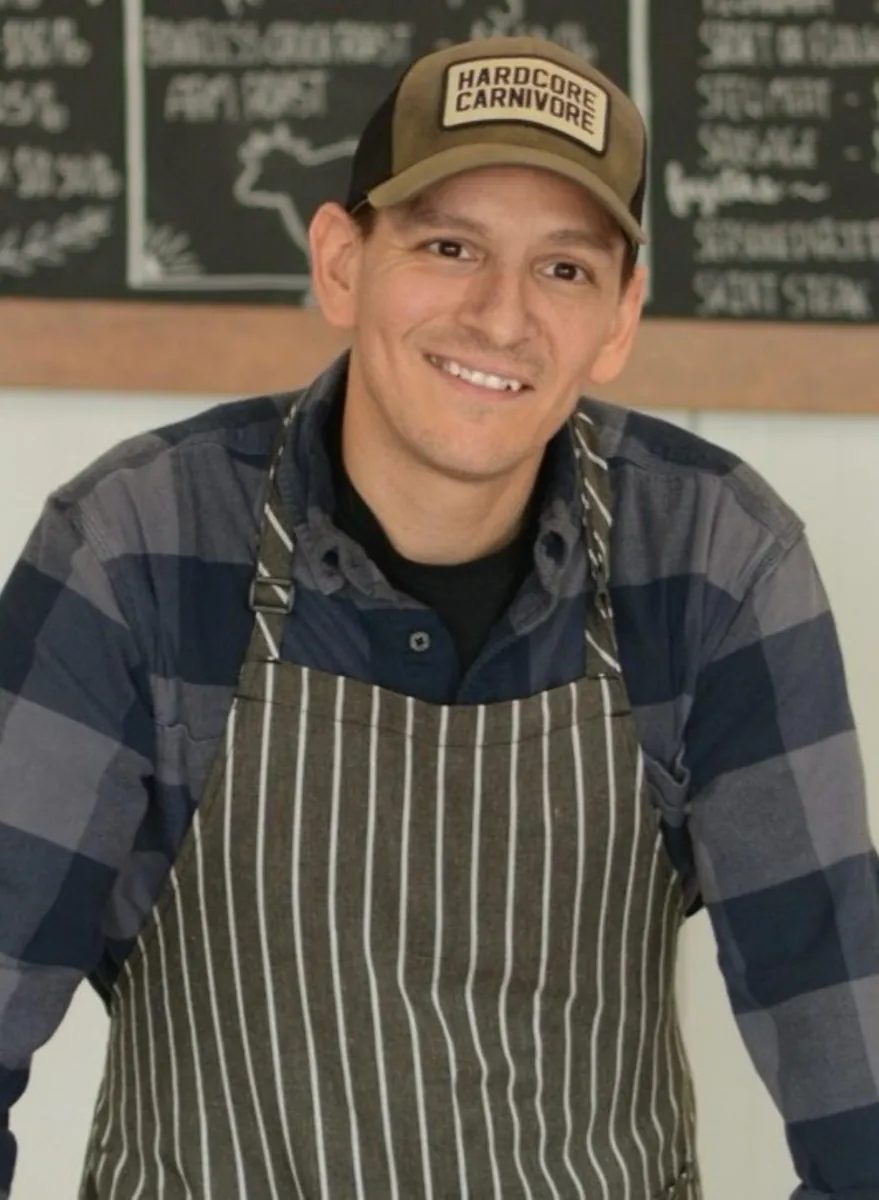
My name is Ron Jimenez. I was born in Louisiana and raised in the Texas Hill Country. My background was in technology and academics. I did not come up through ranching. I got here the hard way.
I'm a husband of 20 years and a father of four, grounded in my Orthodox Christian faith and in the belief that what we eat connects to something larger: our families, our communities, and the traditional ways of living that sustained human health long before industrial food entered the picture.
Health problems shaped my life from childhood. Over time they got worse until I was truly falling apart. I spent years looking for answers and mostly found dead ends — doctor after doctor, prescription after prescription — and at my lowest, nearly a decade on disability.
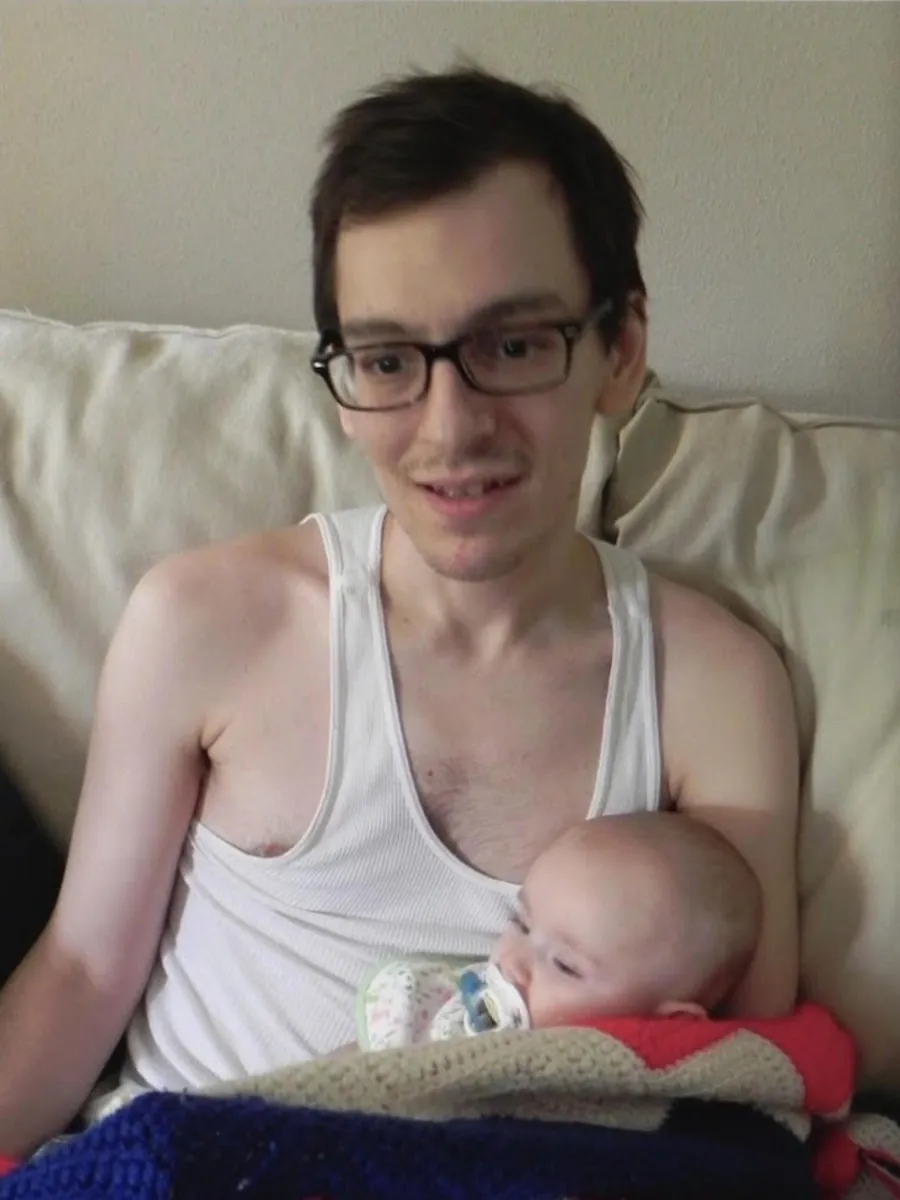
The natural health world found me, or I found it — I'm still not sure which. The carnivore folks were the first people who made sense of what I'd been living through. So I cut the seed oils. Started paying attention to real animal fats. That road took me to the historic Classen Ranch, then to an Austin rancher I worked alongside for a while, and finally to Hometown Meat Market in Luling. Luling is where the whole thing turned.
Let me get something straight up front. I'm not a butcher. I've never touched a knife on that floor. My job at Hometown has been administrative since the early days of the plant, and that seat is exactly why I know what I know. I've spent years watching cattle come through — ranches all over Texas, every breed you can name, every feeding program there is. Grass-fed and finished. Pasture-raised. Conventional. I've seen the suet come off hundreds of animals and I've learned to read the difference between one batch and the next.
And I met the ranchers. Not from a marketing deck — in person, on the ground, shaking hands. I asked them the questions most tallow brands never get close enough to ask. About breeds. About rations. About what it actually costs a family to hold on to their land while the conglomerates squeeze from every angle. That's the education I'm trading on here. Not butcher skill. Not rancher heritage. Years of sustained access to the supply chain, and enough quiet observation to make sense of what I was looking at.
When I started rendering for my family, I got obsessive about it. Not casually. In the way a man gets obsessive when he's spent years sick and is finally trying to make something real for the people he loves. Every decision mattered. And when other people started asking for my tallow, I didn't lower the standard. I just kept doing it the same way I believed it ought to be done.
Today, Ranch Hand Rendering operates out of Central Texas. Every batch is still judged by the same standard as the first:
Would I trust this for my own family?